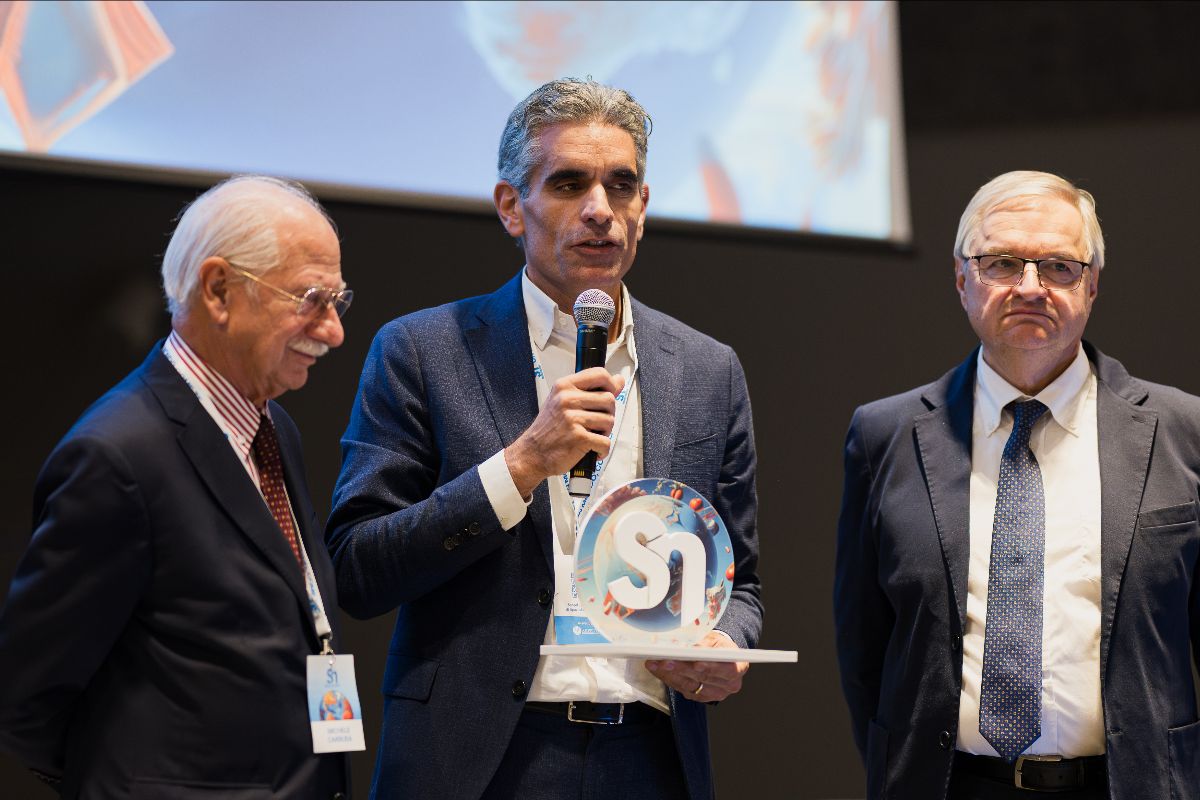
SiderAL® Forte recognised as Best Nutraceutical Product
The Spazio Nutrizione 2025 Partner Award celebrates Pharmanutra’s innovation and leadership in nutraceutical […]
by Dr Duncan Rozario
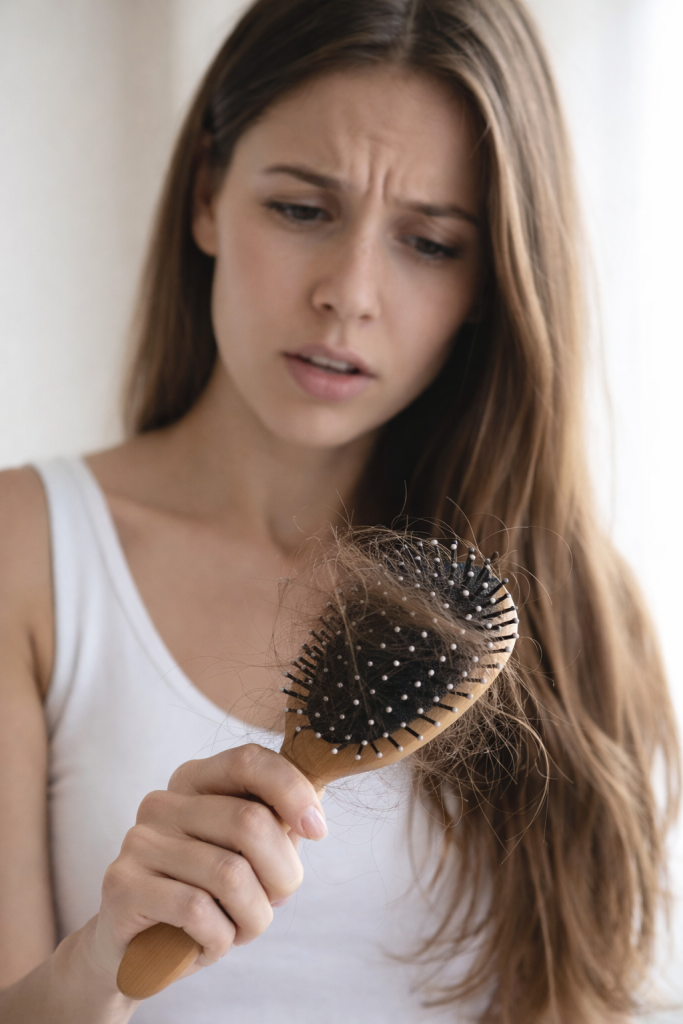
Hair loss is one of the most distressing—and often overlooked—symptoms of iron deficiency.(1)
If you’ve noticed:
…iron deficiency may be the missing diagnosis.
Iron deficiency hair loss typically presents as diffuse thinning and increased shedding, often before anemia is diagnosed.
Yes—iron deficiency can contribute to hair loss.
Low iron levels, particularly low ferritin (iron stores), are associated with:
Research shows that lower ferritin levels are significantly associated with hair loss, especially in women
Hair follicles are among the most metabolically active structures in the body.
They require:
Iron is essential for all three.
When iron is low:
In fact:
The body will “borrow” iron stored in hair follicles when levels are low, weakening hair structure and growth
Unlike genetic hair loss, iron deficiency hair loss is usually:
👉 This is often described as chronic shedding rather than bald spots
Ferritin is your iron storage level—and the most important test for hair loss.
Studies suggest:
Some experts suggest:
Yes—and this is where most patients are missed.
You can have:
👉 This is a critical concept
See:
What Is Iron Deficiency? Causes, Symptoms, and Treatment
The most common cause in women
👉 See:
Iron Deficiency Symptoms in Women: What’s Often Missed
Increased demand + depletion of stores
👉 See:
Best Iron Supplement for Pregnancy (Canada)
If you’re experiencing hair loss, you should check:
Ferritin is the most important.
👉 External reference:
Guidelines emphasize ferritin as a key marker in iron deficiency diagnosis
CMAJ review on iron deficiency management
This is the foundation.
Treatment options include:
Most patients start with oral iron.
However:
Many patients fail treatment due to poor absorption or side effects.
👉 See:
Why Most Iron Supplements Don’t Work (And What Actually Gets Absorbed)
Not all iron supplements are equal.
👉 Read:
Best Iron Supplement in Canada (2026 Guide)
Newer formulations:
Hair recovery takes time.
If iron continues to drop, hair loss will persist.
Typical timeline:
The key variable:
Restoring ferritin—not just hemoglobin
Common reasons:
👉 Also see:
When I Take SiderAL®, My Hemoglobin Rises but My Ferritin Does Not—Why?
If you remember one thing:
Hair loss is often one of the earliest signs of iron deficiency—and one of the most reversible.
The key is:
Yes. Low iron—especially low ferritin—is associated with increased hair shedding and slower hair growth.
Hair loss can occur even at ferritin levels considered “normal” for anemia. Some evidence suggests higher levels are needed for optimal hair growth.
Yes. Hair loss from iron deficiency is typically reversible once iron levels are corrected.
Most people see reduced shedding within 1–2 months and regrowth over 3–6 months.
The best iron is one that is well absorbed and tolerated, allowing consistent use over time.
Reference: (1) Michelle Sholzberg, Christopher Hillis, Mark Crowther, Rita Selby. Diagnosis and management of iron deficiency in females. DOI: 10.1503/cmaj.240570 CMAJ Jul 2025, 197 (24) E680-E687;