A Watershed Moment in Treating Iron Deficiency
by Dr Duncan Rozario I’m Dr. Duncan Rozario, a general surgeon in Oakville, […]

by Dr Duncan Rozario, Chief Medical Officer, Sigma Life Sciences
Iron deficiency is one of the most common nutritional deficiencies in the world—and one of the most overlooked in Canada.
It affects millions of people, particularly:
Yet many individuals remain undiagnosed or undertreated.
Iron deficiency occurs when your body does not have enough iron to produce adequate hemoglobin and support other normal cellular functions that require iron.
Left untreated, it can lead to iron deficiency anemia, impaired cognition, fatigue, and reduced quality of life.
Iron deficiency is a condition where the body lacks sufficient iron to meet its physiological needs. This can occur with or without anemia, meaning you can have symptoms even if your hemoglobin is normal.
👉 This is a critical point often missed.
See: Why Most Iron Supplements Don’t Work (And What Actually Gets Absorbed)
Iron plays a central role in:
When iron levels fall, the body prioritizes survival—not performance.
That’s why symptoms often start subtly and worsen over time.
Iron deficiency develops when iron intake, absorption, or storage cannot meet demand.
👉 Particularly relevant in women:
Iron Deficiency Symptoms in Women: What’s Often Missed
👉 Also see:
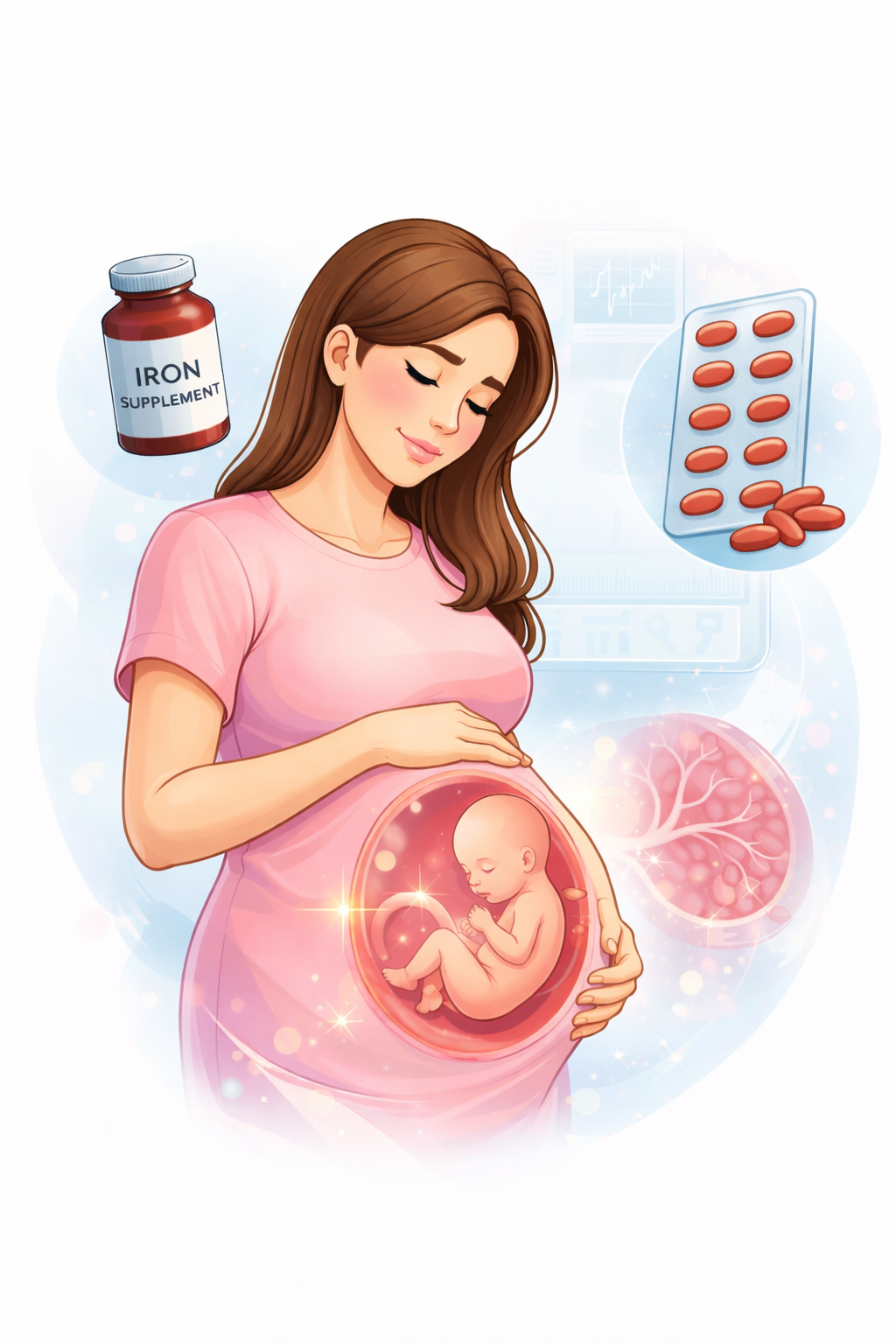
Best Iron Supplement for Pregnancy (Canada)
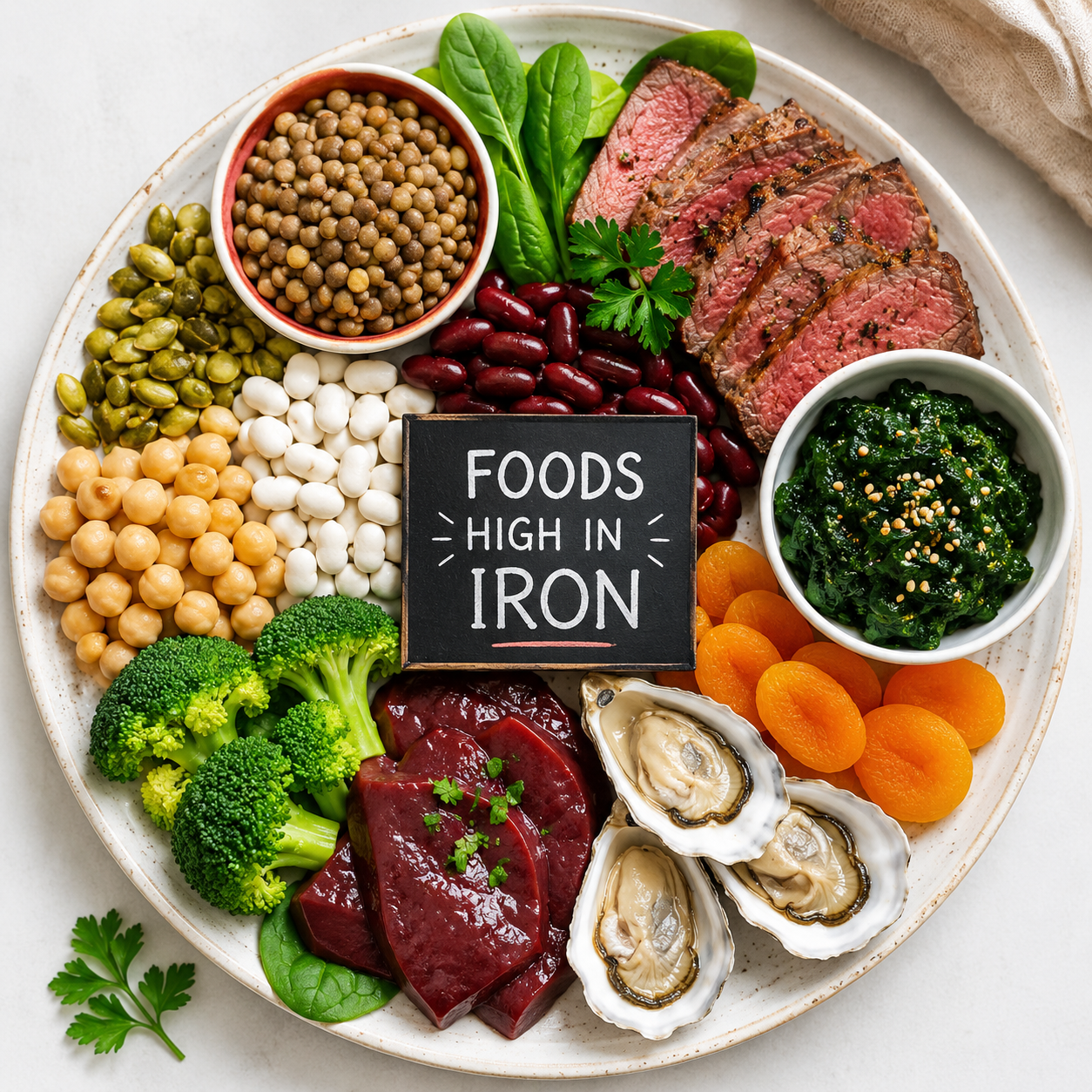
Dietary iron (especially non-heme iron) is less efficiently absorbed.
Iron absorption is tightly regulated and easily disrupted.
In some cases, iron is present—but not accessible to the body, particularly in inflammatory states.
This is why some patients fail standard oral iron therapy.
Symptoms can be subtle—and often missed.
👉 Deep dive here:
Iron Deficiency Symptoms in Women: What’s Often Missed
These are not the same.
You can have significant symptoms before anemia develops.
This is one of the biggest gaps in clinical recognition.
Diagnosis is based on blood tests:
Ferritin reflects your iron stores, not just circulating iron.
👉 See our article on ferritin: Hemoglobin vs Ferritin
Treatment depends on severity, cause, and patient tolerance.
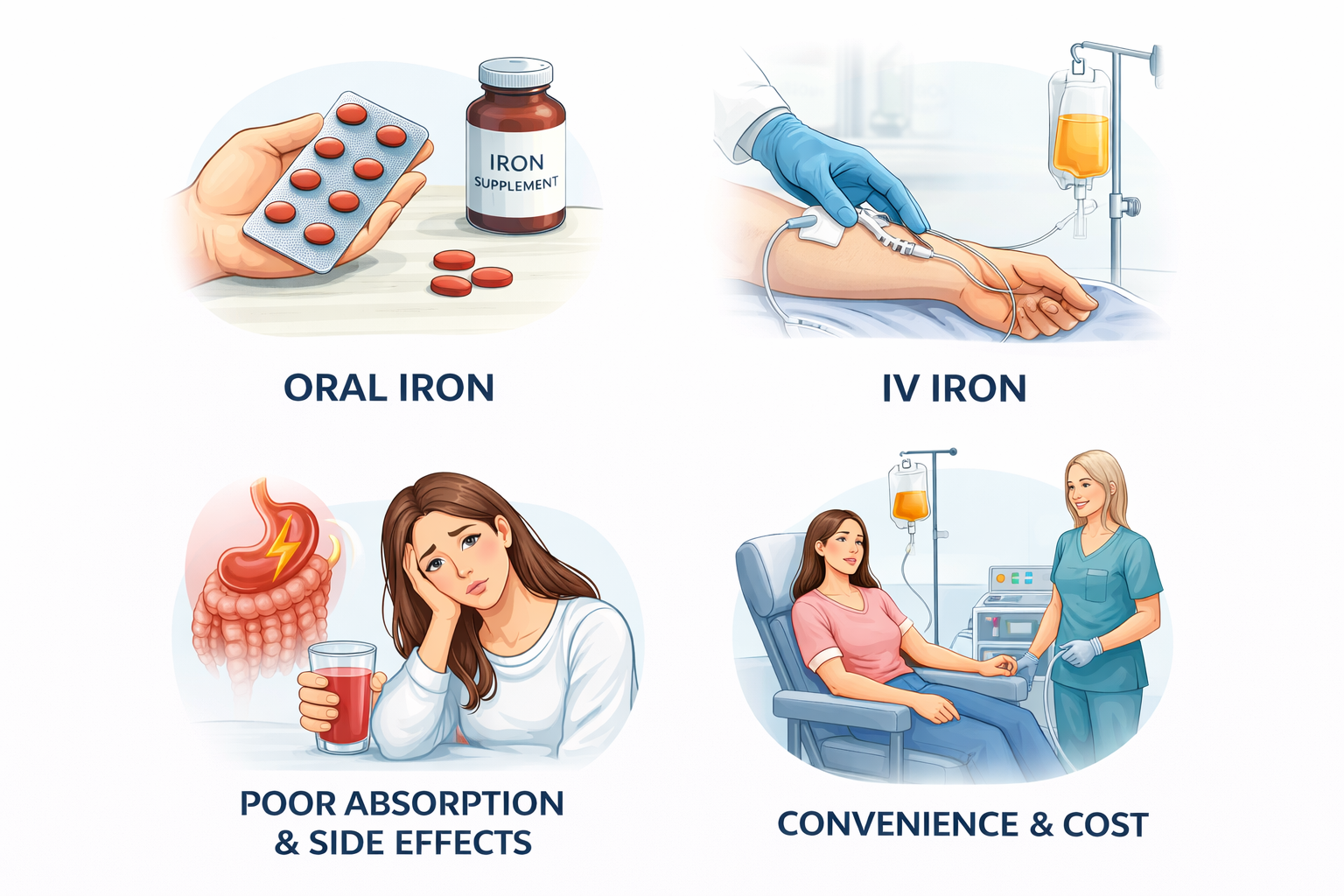
Most patients are started on oral iron.
However, not all formulations are equal.
👉 See:
Best Iron Supplement in Canada (2026 Guide)
👉 Explained here:
Why Most Iron Supplements Don’t Work
Newer formulations are designed to improve:
These include:
These may be particularly useful in:
IV iron is used when:
👉 Full comparison:
Oral Iron vs IV Iron: What Patients Need to Know
Most patients:
Consistency matters more than dose.
The most common reasons:
The issue is often not diagnosis—but delivery of iron that the body can absorb and tolerate.
If you remember one thing:
Iron deficiency is common, treatable, and often missed—but choosing the right form of iron makes all the difference.
Modern management is shifting toward:
Iron deficiency is a condition where the body lacks sufficient iron to support normal function, with or without anemia.
Common causes include blood loss, pregnancy, poor diet, and impaired absorption.
Symptoms include fatigue, hair loss, shortness of breath, brain fog, and restless legs.
Yes. Many patients have symptoms despite normal hemoglobin levels.
Treatment typically starts with oral iron supplements, but the best option depends on absorption, tolerability, and patient-specific factors.
If you think you may have iron deficiency, speak with your healthcare professional about appropriate testing and treatment options.
Dr. Duncan Rozario is a practicing physician and serves as Chief Medical Officer for Sigma Life Sciences, the Canadian distributor of SiderAL® Sucrosomial® Iron.
Reference: Michelle Sholzberg, Christopher Hillis, Mark Crowther, Rita Selby. Diagnosis and management of iron deficiency in females. DOI: 10.1503/cmaj.240570 CMAJ Jul 2025, 197 (24) E680-E687;